Shop Today Save. Metronomes can also indirectly help to improve.

How To Do Cpr On A Dog Dog Grooming Business Dogs How To Do Cpr
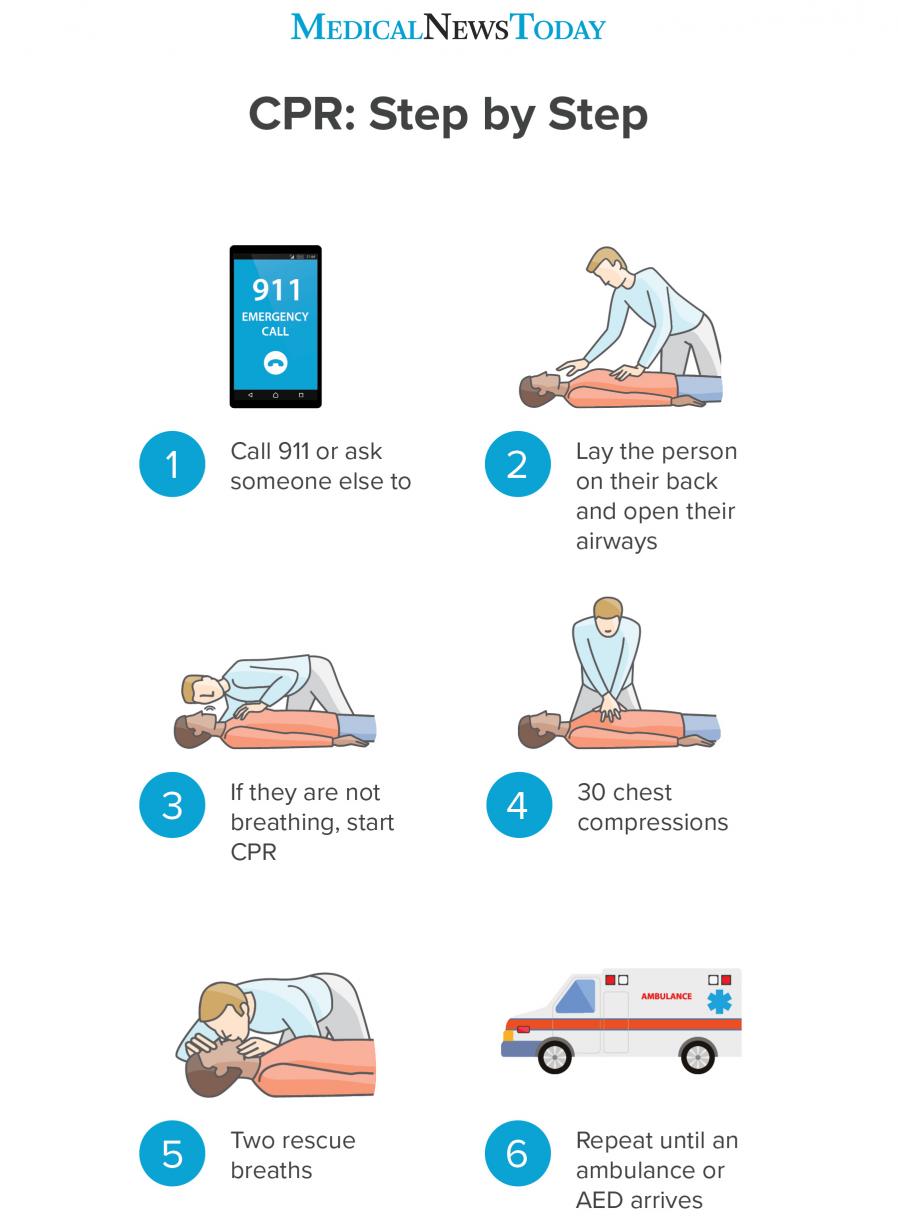
Count the 30 compressions quickly.

. When compressions and breathing be sure to switch roles after every five cycles. Perform chest compressions to help restore blood flow to vital organs. In cases of respiratory arrest it would be rather unusual to.
For hands-only CPR instructions watch this video from the American Heart Association. Ice the injured area for approximately 20 minutes at a time three times a day. Press down about 2 inches into the chest.
Give 30 chest compressions. Put your palm on the persons forehead and gently tilt the head back. During compressions the rescuer will use two hands to compress your chest to a third of its depth to pump the heart and ensure that adequate blood supply reaches the brain.
Take slow breaths while you use the imagery to relax your chest muscles. How can you tell if you have chest congestion. How To Achieve High Chest Compression Fraction.
Make sure that your hips are off the floor a bit. Use your body weight to firmly press at least 2. Give the first rescue breath-lasting one second a second-and-wait to see if the chest rises.
Position your body directly over your hands. In these cases do a conventional CPR combination of chest compressions and rescue breathing. 3 Place your hands on the center of their chest with one hand on top of the other.
The vapors and moisture oozing out from steam helps to break up and dissolve mucus that is present deep in. Use a compression device such as an ace bandage or brace to provide extra support for the injured area and reduce inflammation. Allow the chest to recoil or return to its original shape after each press of your hands.
Place the heel of your other hand on top of the first hand. Place yourself vertically above the victims chest and with your arms straight press down on their sternum approximately 5 6 cm. This guide shows you How To Relieve Chest CongestionWatch This and Other Related films here.
Now slowly lift your knees up towards your chest. These compressions should be FAST and hard. Open their airway Place the individual on their back and kneel beside their chest.
Perform chest compressions to help restore blood flow to vital organs. Center your weight over you hands. 30 Day Money Back Guarantee.
This can help relieve the pain caused by chest tightness. Learn the causes and symptoms of chest congestion and read about the best home remedies for cold and congestion. Start by lying on your back on the floor.
If their chest does not rise with a second breath the person may be coughing. Shoulders directly over hands. Try to relax your muscles before using them.
Compression depth because the rescuer no longer has to manually focus on speed. Ad Save On Top Quality AED Supplies. 1 2 3 4 5 6 7 8 9 10 11 12 13 14 15 16 17 18 19 20 21.
Salt flushes out the mucus present in the respiratory tract. Hi if as you said chest compressions were performed then it is quite likely that you will experience pain following this experience. Place the individual on their back and kneel beside their chest.
At the same time lift your head up in the air. Then with the other hand gently lift the chin forward to open the airway. If youre trained in CPR and youve performed 30 chest compressions open the persons airway using the head-tilt chin-lift maneuver.
Free Shipping On All Orders Over 99. Resulted in much better maintenance of an accurate compression rate than. At least 2 inches.
The posture helps relieve compression of your lumbar spine. How To Achieve High Chest Compression Fraction. One cycle consists of 30 compression-breaths for adults.
Compressions performed without the use of a metronome. Give 30 chest compressions. The warm water reduces the irritation.
Place yourself at a 45-degree angle above the victims chest and press down with both hands on their sternum for about 5 6 seconds. Each time let the chest rise completely. Take a deep breath and then clasp your hands behind your knees.
Release all pressure from there without losing contact between hands or moving away slowly in one straightforward motion for 100-120 compressions per minute. Allow chest to return to normal position after each compression. AEDs Accessories Training Products More In Stock.
One recent study indicated that the use of a metronome alongside chest compressions. Use your body weight to firmly press at least 2 inches deep but no deeper than 24 inches at a rate of about 100 to 120 compressions per minute. Two hands centered on the chest.
Then follow the steps of CPR. 100 to 120 per minute. Home Remedies for Chest Congestion.
Tense moving muscles will be much harder on your bones than relaxed moving muscles. You might find imagery helpful here such as imagining a knotted rope untying or a dark cloud dispersing.

Pin On Product Information
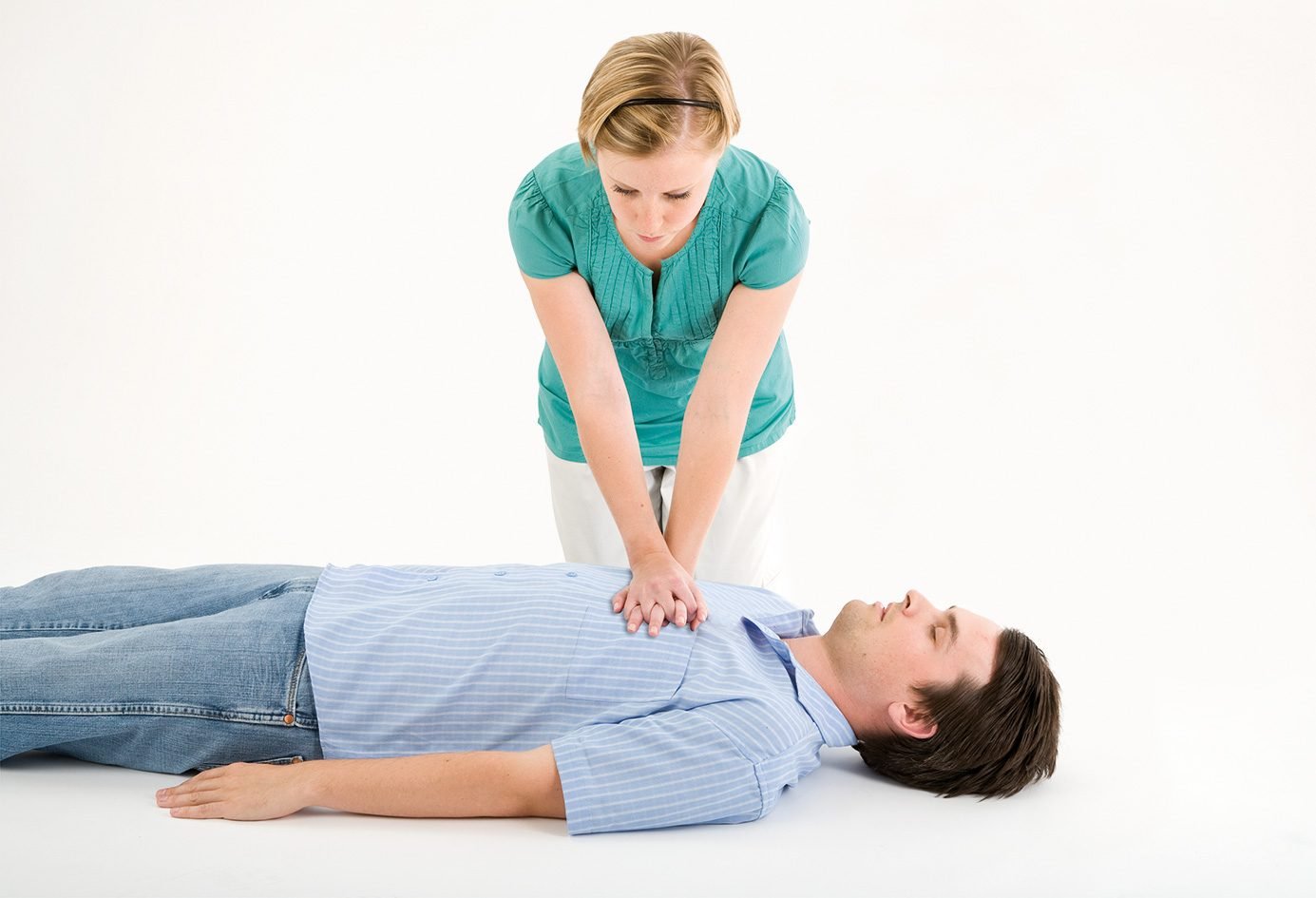
How To Do Cpr Steps Everyone Should Know Best Health Canada

Download An Cpr Powerpoint Today Basic Life Support Lesson Health Science
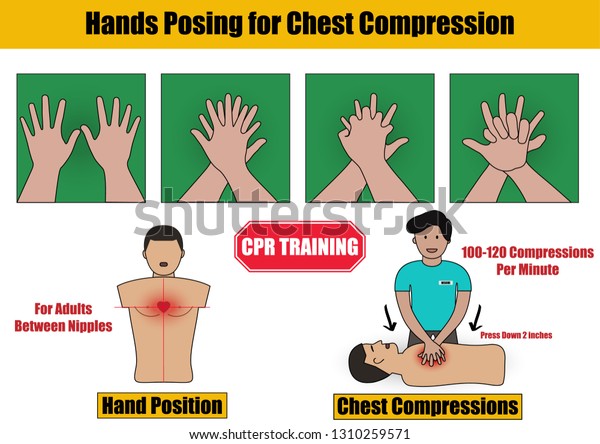
Resuscitation Steps Images Stock Photos Vectors Shutterstock

Proper Performing Aed And Cpr On Pregnant Women
First Aid For A Conscious Choking Casualty Cpr Training First Aid Tips Cpr Classes
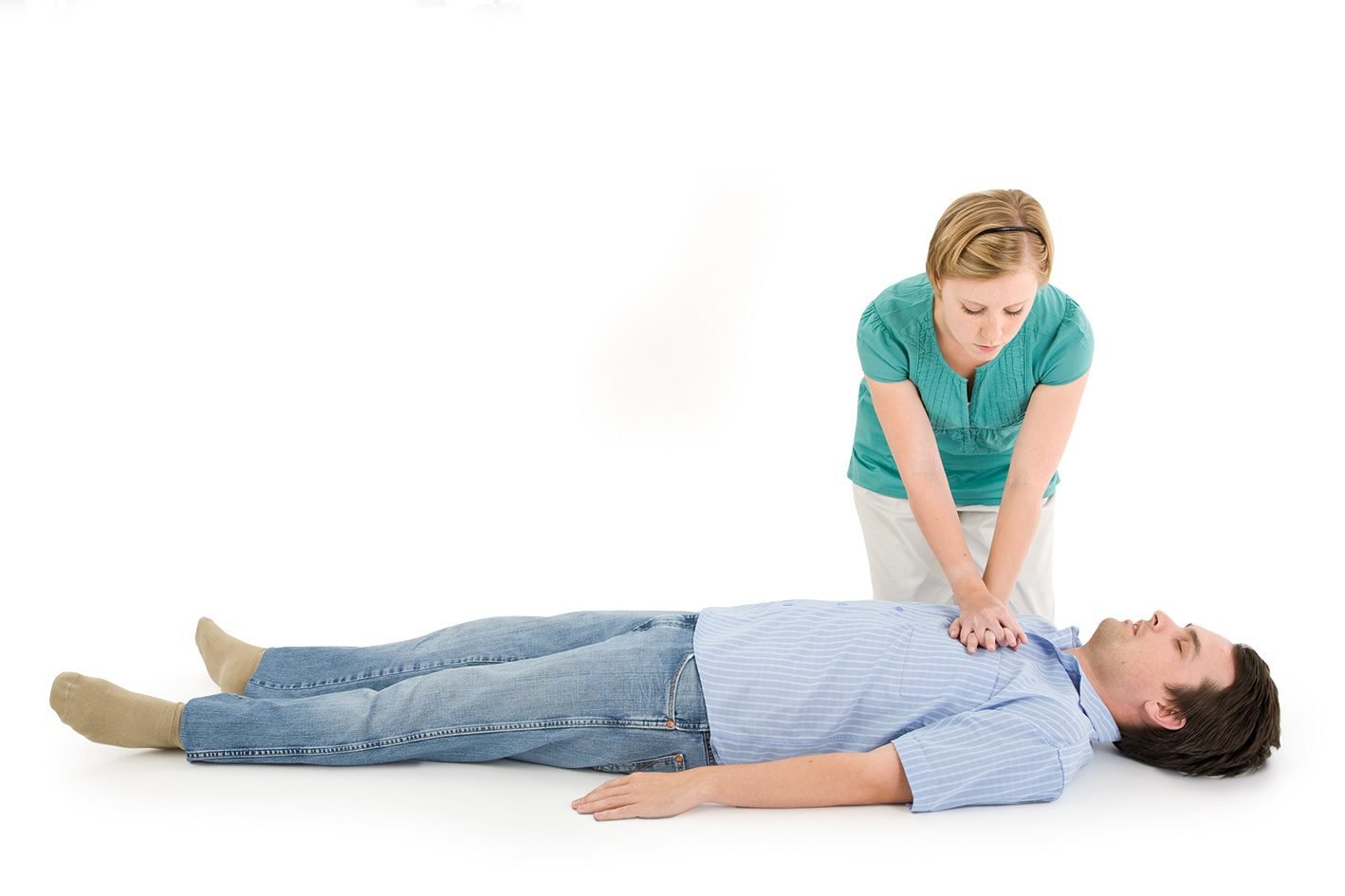
How To Do Cpr Steps Everyone Should Know Best Health Canada

Heel Only Cpr A Giant Step For Resuscitation Sudden Cardiac Arrest Foundation

Pin On Baby 2

Our New Cpr Poster Designed To Be Simple And Easy To Understand In Case Of Emergency Medical Knowledge Cpr Instructions First Aid
Frequently Asked Questions About Chest Compression Only Cpr Sarver Heart Center

23 Incredibly Helpful Diagrams For Moms To Be Child Cpr Infant Cpr Pediatric Cpr

Infant Cpr How To Do Cpr On A Baby Infant Cpr How To Do Cpr Baby Health

Pin On Here S To Good Health
Signs Of An Opioid Overdose And How To Help

Cpr For Children Child Cpr Cpr Toddler Cpr

10 Best Convertible Stroller That Have Great Product Features And Reviews Child Choking Choking First Aid First Aid

Infant Choking Put In Nursery Choking Baby Infant Cpr Baby Care Tips

Pin On Attentive Safety
